Master warm-up techniques to improve flexibility and jump rope performance over time.
If you are building a solid foundation of strength and mobility, start where your body is right now. Many beginners make the mistake of rushing into complex positions, but slow, controlled movements will serve you far better. Take your time with the high plank variation: gently slide one leg forward and lower it across your body while keeping your bottom leg grounded. Your top elbow should rest at a ninety-degree angle, palm facing up, while the other arm reaches toward the ceiling at a forty-five-degree angle before you return to center. The same patience applies when you are working on balance poses. Stand tall, bend one knee and bring that foot to the floor or a block if needed.
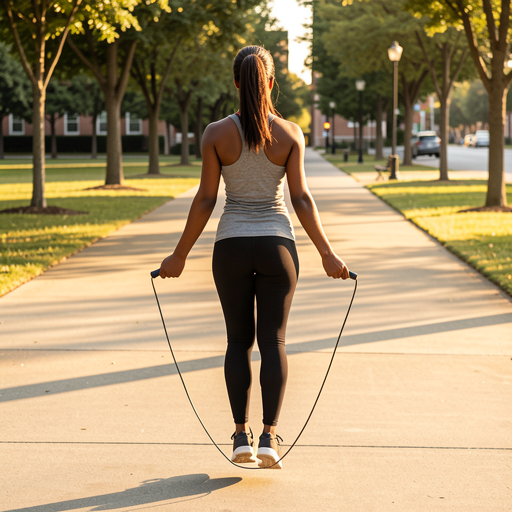
Keep your shoulders pulled back, your chin slightly lifted and your spine long. This simple alignment principle supports your fitness in every position you will attempt, whether you are on a yoga mat, standing on solid ground or preparing to jump rope for the first time. Your arms and shoulders deserve just as much attention as your legs and core. Try the side plank sequence without any props to start — stand straight, bend your elbows and rotate your upper body slowly while keeping your neck neutral. If you need support, rest your elbows on a sturdy book or block until your muscles learn what to do. For a deeper stretch, stand with your knees soft at a right angle, bend one leg and place that knee near your head while your heel stays planted.
👨🏻💻
Flex the ankle of your raised foot at ninety degrees. Switch sides and repeat. These movements look simple when you describe them, but your stabilizing muscles will quickly remind you that they are doing real work. Think of this same mindful approach when you plan to jump rope in your routine; the controlled tension you build here translates directly to better form and less wasted energy in the air. Do not be discouraged if your body feels tight and unfamiliar at first. Stiffness in the neck, shoulders and hips is completely normal, especially if you have been sitting at a desk all day.
👩
The key is consistent, gentle practice. When you show up and move through a few positions over five to thirty minutes depending on your schedule, your muscles gradually become both more supple and more powerful at the same time. You will notice improvements in your breathing, a deeper sense of balance around your abdomen and an overall feeling of being centered in your body. Many people also find that adding a brief rope session into their routine accelerates these gains. The cardiovascular benefits of skipping complement flexibility work beautifully and you will feel the difference in your stamina within just a couple of weeks. If certain poses feel impossible right now, there is no shame in getting help.
🏃🏼♀️
A training partner can spot you, provide gentle support or simply hold your hand while you find your balance. Yoga and bodyweight training are not competitions and you should never push through pain. Work within your limits, breathe steadily and let your body adapt at its own pace. The poses can be broken into short series that fit your available time, whether that is five minutes in the morning or a longer flow in the evening. What matters is that you keep showing up. Over months of consistent effort, you will look back and realize how far you have come, whether you are flowing through yoga sequences, doing core work on the floor or feeling confident to skip for a full round without stopping.