The exercise science behind jump rope for adherence, aging and social benefits.
The fundamental principle that exercise produces health benefits through a dose-response relationship — where the amount and intensity of physical activity directly correlates with the magnitude of physiological improvement — represents one of the most well-established findings in exercise science and forms the basis for all public health physical activity guidelines worldwide. This dose-response relationship applies to both the cardiovascular and metabolic benefits of exercise, with research consistently demonstrating that increasing physical activity levels from a sedentary baseline produces dramatic health improvements that follow a predictable pattern of diminishing returns as activity levels increase beyond moderate thresholds. This exercise exemplifies the dose-response principle because health benefits can be systematically increased by extending session duration, raising intensity through interval training, or adding complexity, allowing individuals to calibrate training to their current fitness level and desired outcomes.
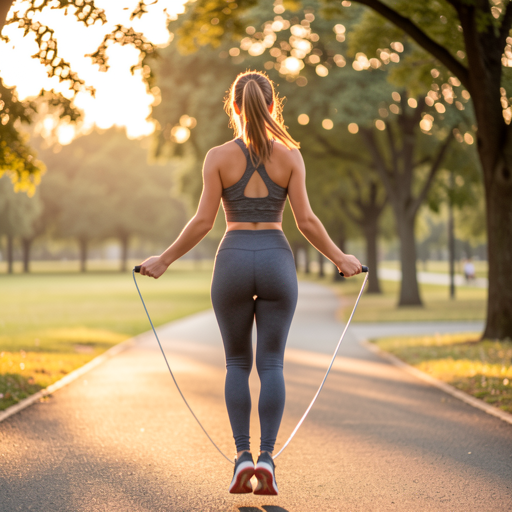
The concept of exercise adherence, which refers to the ability of individuals to maintain consistent participation in physical activity programs over extended periods of time, is widely recognized as the single most important determinant of whether any exercise program will successfully produce long-term health benefits, because the physiological adaptations that improve health only accumulate through regular sustained participation rather than sporadic intense training episodes separated by extended periods of inactivity. The factors that influence exercise adherence are complex and multifaceted, encompassing individual personality characteristics, social support systems, environmental availability of exercise opportunities, perceived enjoyment of the activity and the alignment between exercise choices and individual lifestyle preferences. This activity offers advantages for long-term adherence because it requires minimal investment, produces visible results that reinforce participation and can be performed in any location without specialized facilities or expensive equipment.
💚
The relationship between exercise and healthy aging has become an area of intense scientific and clinical interest as global populations age and the economic burden of age-related chronic disease increases, with research demonstrating that regular physical activity beginning in early adulthood and continuing through old age significantly reduces the risk of cognitive decline, mobility impairment, falls and fractures, chronic disease and premature death that characterize the aging process. The specific exercise modalities that produce the most beneficial aging outcomes include aerobic exercise, resistance training that preserves muscle mass and bone density, balance activities that prevent falls and coordination exercises like jumping rope with a training jump rope that maintain functional independence in older age.
👅
Jumping rope provides an efficient intervention for healthy aging by simultaneously improving cardiovascular fitness, building lower body strength, enhancing balance and coordination and promoting bone density through impact loading. For dedicated skipping sessions, start with short 5-minute intervals and gradually build up your endurance.
💪
The social dimensions of physical exercise encompass the interpersonal interactions, group dynamics and community connections that develop through shared participation in physical activity programs and these social factors play an increasingly recognized role in determining both the immediate enjoyment and long-term sustainability of exercise participation across diverse populations and age groups. Group exercise programs, team sports and community fitness activities all provide opportunities for social interaction that enhance exercise enjoyment, create accountability systems that improve adherence and foster the sense of community belonging that contributes to overall psychological well-being and life satisfaction. This exercise readily adapts for social participation through group classes and community events, creating opportunities for the social connection that make physical activity more enjoyable while delivering individual health benefits.
👩🏽🚀